
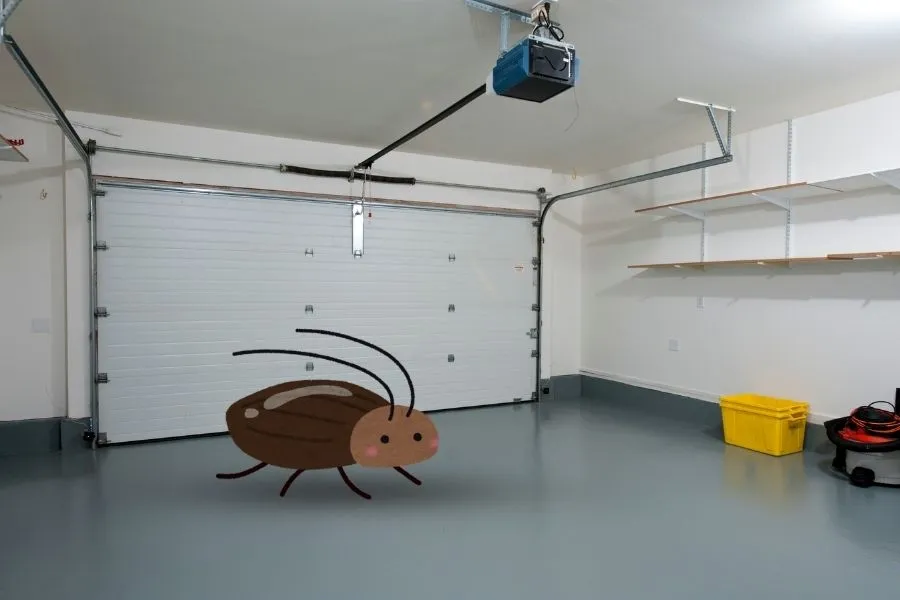
Garages are the most overlooked part of the house when it comes to pest control. They’re not sealed like your living space, they’re opened constantly, and they tend to collect exactly what pests love: clutter, darkness, and quiet.
If something is going to get into your home, there’s a good chance it starts here.
Why Your Garage Is the Most Vulnerable Part of Your Home
Your front door is sealed, locked, and monitored. Your garage? It’s doing its best.
Garages are vulnerable by design. They’re built for access, not defense, and that creates opportunities for pests to move in without much resistance.
A few things working against you:
- The garage door opens multiple times a day.
- Seals wear down faster than people realize.
- The space isn’t climate-controlled like the rest of the home.
- Storage creates ideal hiding spots.
Add in Henderson’s heat, and pests are actively looking for somewhere cooler and more stable. Your garage checks every box.
What’s Actually Getting Into Henderson Garages
If it has 6 legs or more, your garage is already on its radar. Here’s what commonly shows up.
Scorpions
Garages are one of the most common entry points for scorpions.
They’re drawn in by:
- Insects (their food source).
- Dark, undisturbed areas.
- Easy access through small gaps.
And unlike some other pests, they don’t stay politely on the floor.
Roaches and Crickets
These are the foundation of the problem.
They’re attracted to:
- Moisture.
- Cardboard and clutter.
- Small crumbs or organic debris.
They also happen to be exactly what scorpions are looking for.
Spiders
Spiders don’t move in unless there’s something to eat.
If you’re seeing webs forming in corners, it’s a sign that other insects are already present and the food chain is building.
Rodents
Garages are prime real estate for rodents, especially when temperatures shift.
They look for:
- Shelter.
- Materials to build nests.
- Low-traffic areas.
Boxes, insulation, and stored items give them everything they need to settle in.
The 5 Biggest Garage Pest Mistakes
Most garage pest problems are just small oversights that add up.
Here’s where things usually go wrong:
- Gaps under the garage door that go unnoticed.
- Cardboard boxes stored directly on the floor.
- Moisture from leaks, water heaters, or irrigation.
- Clutter pushed against walls, creating hiding zones.
- Assuming the garage “doesn’t count” as part of pest control.
None of these seem like a big deal on their own. Together, they turn your garage into a very comfortable place to live, if you’re a pest.
Where Pests Are Getting In (It’s Not Just the Big Door)
Most people focus on the garage door and stop there.
That’s a mistake.
Pests are getting in through multiple access points, often at the same time:
- Gaps along the bottom and sides of the garage door.
- Worn or misaligned weather stripping.
- Cracks in the foundation or concrete slab.
- Expansion joints where materials meet.
- Openings around pipes, wiring, and utility lines.
- Vents and small structural gaps.
You might seal one entry point and still see activity because there are three more you didn’t notice. That’s why garage infestations can feel persistent.
How to Pest-Proof Your Garage
You don’t need to rebuild your garage. You just need to close the gaps, literally.
Seal the Garage Door Properly
This is your first line of defense.
- Install or replace door sweeps.
- Check side seals for gaps or wear.
- Make sure the door sits flush when closed.
If light gets in, pests can too.
Upgrade Your Storage Strategy
Cardboard boxes are basically pest housing.
Make a few simple upgrades:
- Use plastic bins with tight-fitting lids, particularly for pet food.
- Keep storage off the ground when possible.
- Leave space between items and walls.
This removes hiding spots and makes activity easier to spot early.
Eliminate Moisture Sources
Water attracts insects. Insects attract everything else.
Check for:
- Leaks around water heaters or plumbing.
- Condensation buildup.
- Irrigation overspray near the garage.
Control the Food Chain
If insects are present, larger pests will follow.
Consistent pest control reduces crickets, roaches, and other small insects, which means fewer reasons for scorpions and spiders to stick around.
Maintain a Strong Exterior Barrier
What happens outside matters more than what you spray inside.
A proper exterior treatment:
- Reduces pest activity around the home.
- Stops entry before it starts.
- Targets nesting areas near the garage.
Interior sprays alone won’t solve a garage problem.
Why the Garage Is Where Bigger Problems Begin
Once pests establish themselves here, moving into the home becomes much easier.
Common progressions include:
- Garage to wall voids.
- Wall voids to interior rooms.
- Interior rooms to recurring sightings.
It starts in the garage. It doesn’t stay in the garage.
When DIY Isn’t Enough
Some situations go beyond quick fixes.
If you’re noticing:
- Repeated sightings of the same pests.
- Multiple types of pests at once.
- Activity spreading from the garage into the home
…it’s time to take a more comprehensive approach.
Pest-proofing requires consistency. When entry points are sealed, food sources are reduced, and activity is controlled at the perimeter, the garage stops being a starting point. Contact Dr. Death Pest Control to get started.