
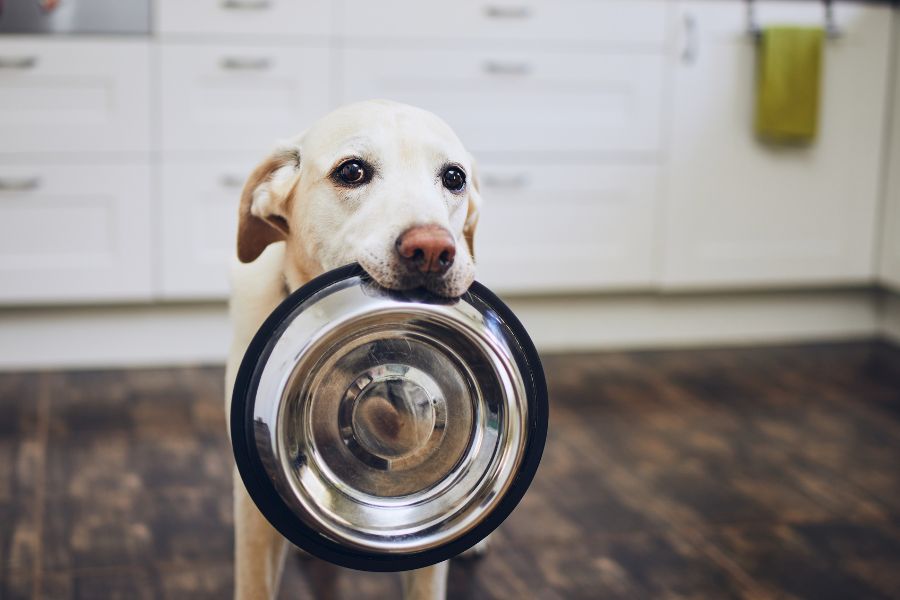
Your pets live here, too. Which means if you’re spraying something to wipe out ants, roaches, or mosquitoes, you’re not just treating pests. You’re treating your dog’s favorite nap zone. Your cat’s “I will lick this later” runway. The exact square of carpet your pet rolls around on like it pays rent.
So yes, you’re right to be picky.
Pet-safe insecticides are one of the most searched pest control topics for a reason: people want results, but they also want peace of mind. The problem is that “pet-safe” gets used loosely. Sometimes it means “safe when used correctly.” Sometimes it means “less risky than the scary stuff.” And sometimes it means “someone printed a friendly label and hoped you wouldn’t ask questions.”
This blog is the no-fluff version of what pet-safe really means, what’s risky, what’s legit, and how to keep pests out without turning your home into a chemistry experiment.
What Makes an Insecticide Pet-Safe?
Let’s set the record straight: “pet-safe” does not mean “drinkable.” It means the product is designed to reduce risk to pets when it’s used exactly the way it’s supposed to be used.
Pet-safe insecticides typically have a few things going for them:
- Lower toxicity to mammals (pets included).
- Targeted action (bugs get hit harder than your furry roommates).
- Reduced lingering residue when applied properly.
- Clear instructions for re-entry, drying time, and ventilation.
You’ll also see terms like pet-friendly pesticides, non-toxic insecticides, eco-friendly bug control, and natural insect repellent. Some of these are helpful descriptors. Some are…marketing doing marketing things.
A good rule: if the label is vague, the directions are confusing, or the product smells like it belongs in a mechanic’s shop, pause.
Also: “natural” and “safe” aren’t the same thing. There are non-toxic bug sprays that are genuinely low-risk, and there are “natural” products that can still irritate pets (especially cats). We’ll get into that.
If you want a pet-first approach beyond products, this is exactly what we built our service for: Pet-Safe Pest Control.
Are Insecticides Safe for Pets?
Sometimes. Sometimes not. The main risk with conventional insecticides isn’t just the product. It’s how pets interact with the environment after you use it.
Pets are lower to the ground. They sniff everything. They lick their paws. They nap in corners. They roll on grass. They have hobbies that do not align with “avoid treated areas.”
That’s why insecticides safe for pets should still be treated with caution.
Common Ways Pets Get Exposed
- Walking across treated surfaces and licking paws.
- Grooming fur after contact with residue.
- Breathing in chemicals in poorly ventilated spaces.
- Getting into trash, bottles, or leftover product.
Signs of Possible Insecticide Poisoning in Pets
If a pet is exposed to something toxic, symptoms may include:
- Drooling or foaming.
- Vomiting or diarrhea.
- Tremors or unsteady walking.
- Lethargy or weakness.
- Trouble breathing.
If you suspect exposure, don’t “wait and see.” Contact a veterinarian immediately.
Common Types of Pet-Safe Insecticides
There isn’t one magic product that works for every pest while also being perfect for every pet. What you can do is choose the right category for the job.
Natural Insecticides
These can work well for crawling pests when applied correctly and kept out of pet-accessible areas.
Common examples include:
- Diatomaceous earth (food-grade) for certain crawling insects.
- Certain plant-based insecticides.
- Limited-use mineral-based powders.
Important note: “food-grade” doesn’t mean “great for lungs.” Any fine powder can be irritating if it becomes airborne, so placement matters.
Eco-Friendly Sprays
These are usually plant-based repellents, and they’re often used to discourage pests rather than kill on contact.
Common ingredients include:
- Citronella
- Peppermint oil
- Cedarwood
- Clove oil
These can be effective, but essential oils are not automatically pet-friendly. Cats, in particular, can be sensitive to certain oils. Always follow label directions and avoid over-application.
Non-Toxic Traps and Enclosed Baits
If you want “lowest exposure,” this category is usually where you start:
- Snap traps (placed where pets can’t access)
- Enclosed bait stations (tamper-resistant)
- Sticky traps (only in pet-inaccessible areas)
Professional Removal When the Situation isn’t DIY
Remember, DIY pest control comes with certain risks. In many cases, your best move is to call the professionals. They have the expertise needed to determine the safest and most effective strategy.
How to Safely Use Insecticides Around Pets
This is where most “pet-safe” plans fall apart. Not because people don’t care, but because people assume a quick spray is a quick fix.
Here’s the pet-safe playbook.
Step-by-Step: Using Insecticides Safely with Pets
- Pick the right product for the pest. Don’t use a “general bug killer” when you need a targeted approach.
- Read the label like it’s a contract. Look for drying time, ventilation instructions, and re-entry timing.
- Remove pets from the treatment area. This includes bowls, beds, toys, and litter boxes.
- Apply lightly and strategically. Spot treat. Don’t fog the entire home unless you’ve been told to by a professional and you’ve planned correctly.
- Ventilate. Open windows, run fans, and let the space clear out.
- Don’t let pets return until it’s fully dry. “Mostly dry” is not the same as “dry.”
- Store products where pets can’t access them. This includes garages, trash cans, and more.
If you’re in Henderson and you’re tired of guessing, our team handles pest issues with pet-aware application methods and clear instructions. Start here: Residential Pest Control for Henderson.
Best Pet-Safe Insecticides for Common Household Pests
Let’s make this practical. Here are pet-aware options for common pests that don’t require turning your home into a hazard zone.
Cockroaches
Pet-safe strategies often include:
- Enclosed bait stations, placed out of reach.
- Sanitation + sealing entry points.
- Targeted dusting in wall voids, done correctly.
If roaches are the issue, don’t rely on surface sprays near pet areas.
Ants
Good pet-safe approaches:
- Enclosed ant baits.
- Removing food sources.
- Cleaning scent trails.
- Sealing entry points.
Mosquitoes
Pet-safe mosquito control tends to focus on prevention and outdoor management:
- Eliminate standing water.
- Use pet-conscious repellents outdoors as directed.
- Treat breeding areas strategically.
How to Minimize Pest Risks Without Insecticides
If you want the most pet-safe approach possible, reduce the need for chemicals in the first place. This is where pest control without chemicals actually shines.
Pet-safe pest prevention basics
- Seal cracks and gaps around doors, windows, and utility entries.
- Fix moisture issues (leaks, overwatering, dripping spigots).
- Store pet food properly (sealed containers, clean bowls).
- Declutter pest-friendly zones like garages and storage rooms.
- Use physical traps where pets can’t access them.
This is the foundation of Integrated Pest Management (IPM): prevention first, monitoring second, treatment only when needed.
And it’s very pet-friendly, because it’s also just smart.
Next Steps
If you have pets, pest control has to be done differently. Pet-safe insecticides can absolutely be part of your plan, but the label alone isn’t the full story. The product matters, the application matters, and the prevention strategy matters most of all.
If you want pest control that respects the fact your pets don’t read warning labels, Dr. Death can help you handle the problem without turning your home into a risk zone.