
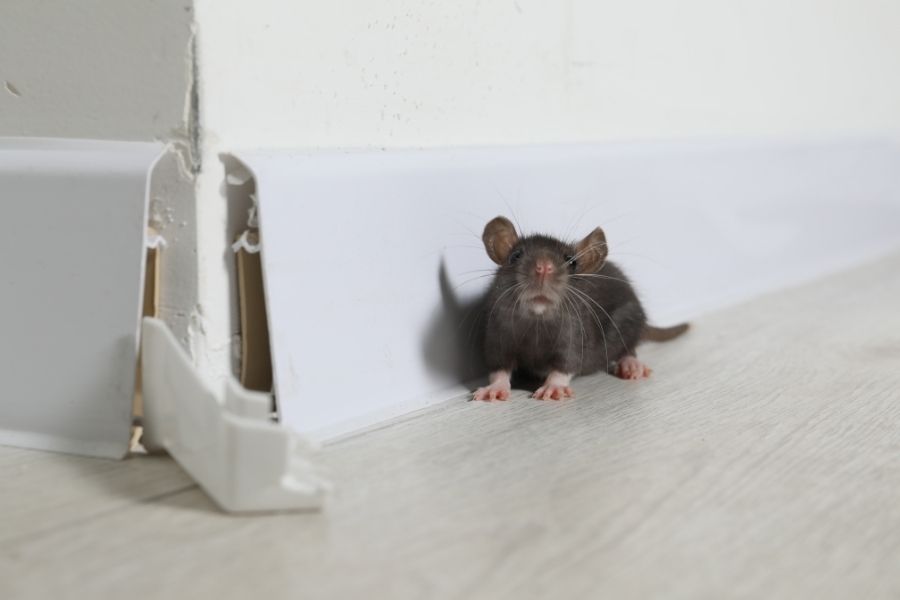
Pests are masters of understatement.
They don’t kick down the door. They don’t announce themselves. They quietly move in, settle down, and start costing you money while you’re busy telling yourself, “It’s probably nothing.”
That’s how the cost of ignoring pest control sneaks up on homeowners and business owners alike. What starts as a small annoyance has a habit of snowballing into damaged wiring, compromised structures, health risks, emergency service calls, and repair bills that arrive with zero sense of humor.
Early pest control is about stepping in before pests turn your space into an expensive science experiment.
1. Structural Damage: The Hidden Costs of Pest Infestations
If pests had a résumé, “quietly destroying property” would be at the top.
Rodents chew constantly. It’s not optional—it’s survival. Unfortunately, their chewing doesn’t stop at old boxes or forgotten storage bins. Electrical wiring, insulation, drywall, pipes, and HVAC components are all fair game. Over time, rodent damage costs often include electrical repairs, insulation replacement, and increased fire risk from exposed wiring.
Wasps can also force repairs. When nests form inside walls, eaves, or attic spaces, removal often requires cutting into the structure just to reach them safely. As nests grow, so does the damage. What starts as a buzzing sound can quickly turn into emergency work, exposed walls, and an unexpected repair bill.
Then, there are the pests that destroy what you thought was “safe in storage.” Moths, silverfish, and similar pests don’t go for beams; they go for belongings. Clothing, books, paperwork, linens, and keepsakes become targets. The damage is quiet, easy to miss, and permanent. By the time it’s noticed, replacement isn’t always possible.
This is where the cost of ignoring pest control stops being hypothetical. Structural damage doesn’t show up overnight, but once it does, it’s expensive, disruptive, and rarely covered by insurance the way people hope.
2. Health Risks: The Financial Toll of Pest-Related Illnesses
Pests can also compromise health, and health issues tend to come with invoices.
Rodents and cockroaches spread bacteria through droppings, urine, saliva, and contaminated surfaces. Their presence can trigger asthma, allergies, respiratory issues, and gastrointestinal illness. Children, seniors, and anyone with a compromised immune system are especially vulnerable.
These health risks of pest infestations translate into doctor visits, medications, missed workdays, and ongoing treatment. For businesses, the financial impact of pest infestations can extend even further: employee absences, customer complaints, health code violations, or temporary closures.
3. Long-Term Damage to Property Value
Pests have a way of overstaying their welcome, even after they’re gone.
Homes with documented infestations often require disclosure during the sale process. Visible damage, previous repairs, lingering odors, or signs of recurring issues can raise red flags for buyers. That directly affects the cost of pest infestations in homes, especially when buyers negotiate prices down or walk away entirely.
Commercial properties face even higher stakes. Pest issues can impact tenant retention, insurance, inspections, and brand reputation. This is exactly why pest control is important as part of routine property care rather than a last-minute reaction.
4. Pest Control Emergency Expenses: Why Waiting Costs More
There’s pest control…and then there’s panic pest control.
Emergency situations usually involve advanced infestations, visible damage, or urgent health concerns. At that point, solutions require more labor, more visits, and more intensive treatments. Pest control emergency expenses often include after-hours service calls, expanded treatment plans, and follow-up visits to ensure the infestation is fully resolved.
These costs are the result of pest control neglect, small issues that were allowed to grow unchecked. So waiting rarely saves money. It just gives pests more time to multiply, spread, and make the problem harder (and pricier) to solve.
5. The Financial Benefits of Preventive Pest Control
Preventive pest control is consistent, controlled, and far more affordable than reacting to an infestation. Regular inspections and maintenance stop pests before they settle in, reproduce, and start causing damage.
Instead of paying for repairs, emergency services, or lost productivity, you’re investing in stability. Preventive care keeps costs predictable and eliminates many of the surprises that come with pest neglect. It also dramatically reduces pest control neglect risks by identifying vulnerabilities before pests exploit them.
6. How Pest Problems Escalate Faster Than You Think
One of the biggest misconceptions about pests is how quickly situations escalate.
Rodents reproduce rapidly and insects spread quietly. A few weeks of inaction can turn a manageable issue into a widespread infestation. During that time, damage continues, contamination increases, and treatment becomes more complex.
7. How to Avoid the Hidden Costs of Pest Control Neglect
Avoiding pest-related financial stress simply requires awareness and consistency.
Smart prevention includes:
- Sealing gaps, cracks, and entry points.
- Managing moisture issues that attract pests.
- Acting immediately when signs appear.
- Scheduling routine inspections.
These steps significantly reduce pest control neglect risks and help avoid the larger expenses tied to structural repairs, health issues, and emergency treatments.
Pests thrive on delay. Prevention removes their advantage.
Why Early Intervention Always Saves Money
The math is simple.
Early pest control costs less than emergency service. Prevention costs less than repairs. Routine inspections cost less than medical bills, lost business, or property devaluation.
The cost of ignoring pest control is higher and unpredictable. Protect your space with Dr. Death Pest Control before pests turn minor issues into expensive disasters. Because the only thing scarier than pests…is the bill they leave behind.